
Why Is One Sprinkler Zone Not Turning On? Step-By-Step Troubleshooting
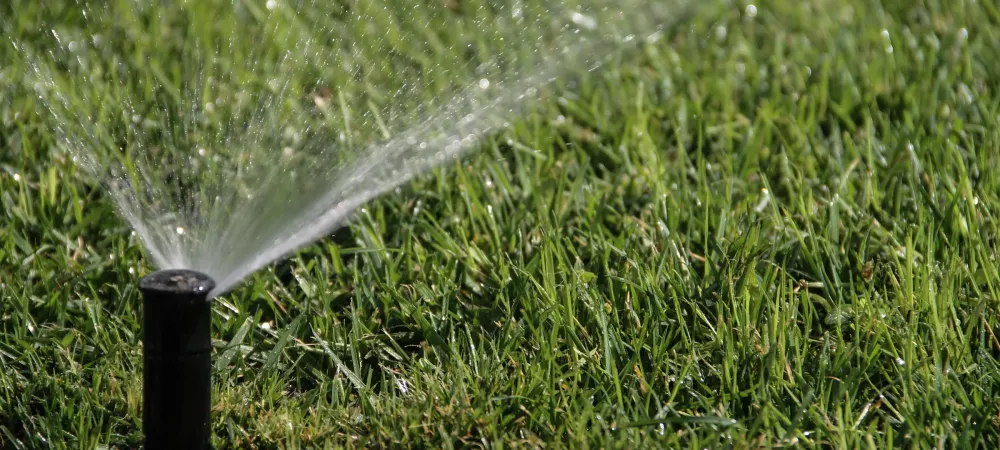
Every homeowner loves a vibrant, consistently green lawn. But during a hot Michigan summer, it only takes a few days without water for a healthy patch of grass to turn brown and brittle.
When an entire sprinkler system fails, the culprit is usually easy to spot, like a shut-off main water valve. However, when just one single sprinkler zone refuses to activate, it takes a bit more detective work.
Quick Summary: If a single sprinkler zone is not turning on while the rest of your system works perfectly, the issue is typically caused by a faulty solenoid, a corroded or broken wire connection, a clogged or damaged valve diaphragm, or an incorrect zone setting on your control panel.
The Quick Checks: Check Your Controller First
Before grabbing tools and digging up your lawn, start at the nerve center of your irrigation system: the controller box. The hardware might be fine, but a software glitch or a wrong setting could be skipping the zone.
- Verify Zone Run Times: Check the program settings for the specific zone that isn't working. Ensure it has a designated run time. If it was accidentally set to zero, the controller will skip it entirely.
- Test a Manual Cycle: Use the manual control feature to activate just the problem zone. Listen closely for a faint clicking sound coming from the controller box or the yard when it triggers.
- Check Multi-Program Settings: Modern smart controllers use multiple programs (Program A, B, and C). Make sure the zone hasn't been unassigned from the active program.
- Inspect the Rain Sensor: A rain sensor stuck in the "wet" position can sometimes freeze up a single station on older panels.
If the controller shows the zone is running but nothing happens outside, the problem is out in the yard.
Step 1: The Manual Valve Test
Your sprinkler system relies on individual underground valves to open and close water flow to each zone. These are housed in plastic boxes recessed into the ground, usually hidden near your home's foundation or along landscaping beds.
To determine if your issue is electrical or mechanical, perform a manual override test:
- Locate the Box: Find the plastic box lid, remove it, and clear away any dirt or debris inside.
- Identify the Solenoid: Look for the small cylinder on top of the valve with two wires extending from it.
- Locate the Bleed Screw: Find the small lever or plastic screw-like piece on the valve body.
- Turn the Screw: Gently turn this bleed screw counterclockwise about a quarter to a half turn.
What the results mean:
- If the sprinklers turn on: Your water pressure is fine, the pipes are clear, and the physical valve works. The problem is strictly electrical—the signal from the controller isn't reaching the valve.
- If the sprinklers stay off: You have a mechanical issue or a physical blockage inside the valve itself.
Step 2: Inspecting the Solenoid and Wiring
If the manual valve test successfully turned on the zone, you need to check the electrical path. The solenoid acts as an electromagnet that lifts an internal plunger to let water through when it receives 24 volts of electricity from the controller.
- Check the Wire Nuts: Look at the wires extending from the solenoid. They connect to the main wires using waterproof wire nuts. Moisture can seep in, causing corrosion. Cut the wires back to clean copper, twist them together, and cap them with fresh, grease-filled waterproof wire connectors.
- Look for Broken Wires: Lawn aeration, landscaping work, or burrowing animals can slice through underground wires. Inspect the line for any visible breaks.
- Test the Solenoid Resistance: Use an electrical multi-meter to test the ohms on the solenoid. A healthy solenoid reads between 20 and 60 ohms. A reading of zero or infinity means the internal coil is burned out and the solenoid must be replaced.
Step 3: Looking Inside the Valve
If the manual bleed screw did not turn the sprinklers on during Step 1, the physical valve is stuck closed. Inside every valve is a flexible rubber disc called a diaphragm that moves up and down to control water.
Local Michigan soil often has high sediment, sand, or iron content, which can cause mechanical failures:
- Debris Clogs: Tiny pebbles or sand grains can get trapped inside the valve chamber, physically blocking the diaphragm from opening.
- Damaged Rubber: As rubber components age, the diaphragm can crack, tear, or become too stiff to operate.
How to safely inspect the valve:
- Shut off your main irrigation water supply line completely.
- Remove the screws or jar-top ring securing the top bonnet of the valve.
- Carefully lift the top off, holding onto the internal metal spring so it doesn't fly out.
- Examine the rubber diaphragm for visible tears or holes.
- Flush the valve body with a gentle stream of water to clear out trapped silt.
- Replace the internal pieces using a matching valve rebuild kit if the rubber is worn.
Step 4: Checking for Blockages or Broken Lines Downstream
If the valve opens but you only get a tiny trickle of water out of the sprinkler heads, the water is losing pressure after it leaves the valve box.
- Crushed Underground Pipes: Heavy vehicle traffic or tree roots wrapping around PVC lines can pinch a pipe shut, choking off the water supply.
- Underground Line Breaks: A cracked pipe will dump all the water pressure directly into the soil before it reaches the sprinkler heads.
- Signs of a Leak: Walk the path of the broken zone. Look for unusually soggy ground, bubbling water, or a sinkhole forming in your turf.
When to Call an Irrigation Specialist
While cleaning out a valve or twisting a new wire nut is a straightforward weekend project, some irrigation problems require specialized equipment. Working with water lines and live electrical currents at the same time takes precise care.
- Advanced Diagnostics: If basic checks fail, irrigation professionals use wire trackers and station locators to find hidden breaks without digging up your yard.
- Main Line Repairs: Fixing deeply buried pipes or replacing entire valve manifolds requires specialized tools and fittings.
Maintaining a healthy yard shouldn't be stressful. If you are struggling with a stubborn sprinkler zone or want to ensure your entire system is running at peak efficiency, Dynamic Lawn & Landscape is here to help. Our experienced local specialists understand the unique climate demands of Southeast Michigan and provide comprehensive irrigation diagnostics, professional sprinkler repair in Michigan, and seasonal maintenance. Contact Dynamic Lawn & Landscape today to schedule your system evaluation and keep your lawn looking vibrant all season long.